
Smash Burgers
A smash burger is easy enough to make, the reasoning behind why a smash burger gets a little more interesting. I guess you could say it's easy, it's not simple, except that if you don't care about the why smash burgers then it's both easy and simple. If you want to know a little more about the why, read on. If not just skip to the recipe, but know that each step, even the small ones has a reason behind it.
So, a smash burger starts with about the same amount of meat as a regular burger, somewhere between 4-6 ounces as a rule. The main difference is that it is spread out between two patties instead of one. This provides a few advantages. The main one is they are much juicer. Beef fat renders somewhere between 100-130 degrees Fahrenheit. It depends on a bunch of factors that I won't get into now. It does not happen instantly though, it takes a little while. That means in a thicker patty you are either going to have to overcook the outside to get the fat in the middle to render, or let the outside be properly cooked and not render all the fat in the middle of the burger. The same smash burger's patties means you can both render the inside fat and not overcook the outside. The second major advantage is in surface area. Two patties gives you twice as much surface area for seasonings which is nice enough I guess. Much more important is that it gives you twice as much room for browning (aka the Maillard Reaction). The browning that happens kicks up the flavor of almost anything and having twice as much of it is twice as good. The third advantage is time. Smash burgers cook in a couple of minutes a side and will be done cooking before you've flipped a standard burger.
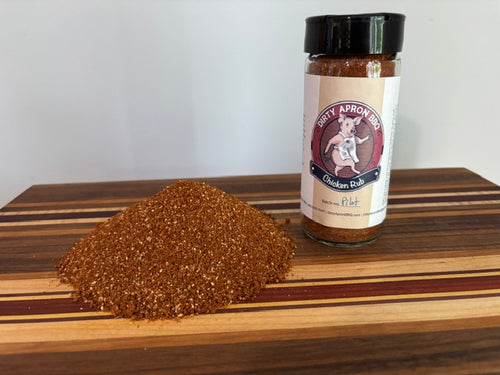
There are some disadvantages to smash burgers as well. Twice the surface area means you need twice the cooking space, though the faster cooking time offsets this. They don't do well on a grill as they will fall through most grill grates. Their juiciness can sometimes cause problems with your bun as well, but this is avoidable. I find a toasted bun hold up a little better and a layer of mayonnaise on the bottom bun is very helpful as well. The oil in the mayo stops the juices from soaking into the bun and instead mixes with them to make a kind of sauce. This also provides us another opportunity to add flavors. I usually use Dirty Apron Beef Rub as both seasoning for the meat and sprinkling some on the mayo on the bottom bun. You can certainly use other seasonings on the may to add to the flavor profile. All other toppings go on top of your patties to avoid interfering with the mayo, jus, spices blending. You can go as nuts here as you want, I tend to keep it simple and go with lettuce and tomato, maybe some ketchup and mustard or some Dirty Apron BBQ Sauce.
The final consideration is cheese American cheese is the melting champion because of it's sodium citrate. Most soft cheeses will melt pretty well, gouda and fontina are two of my favorites, but brie (or similar) can work. If you want to get really crazy you can make your own version of American cheese by getting sodium citrate and making essentially a thick cheese sauce then putting it in the fridge to let it set before slicing it and using that to melt. That's going a bit far for me, but I've seen it done. I tend to just use cheddar, it's easy to find, melts well enough for me and I think it goes really well on a burger. So, on to the actual recipe. If you read all that you've surely earned it.
Ingredients
- 4-6 oz ground beef per person, 80/20 or 85/15
- Dirty Apron Beef Rub
- 1 bun per 2 patties
- 1-2 slices of cheddar or other cheese
- mayonnaise
- whatever other toppings you like, BBQ sauce, lettuce, tomato, onions, pickles, bacon, etc. The world is your oyster here.
Directions
- If you're using a cast Iron skillet/pan for this put it in the oven at 450 F while you're getting things ready. You want it screaming hot.
- Measure out your ground beef into 2-3 oz pieces and gently roll them into balls. Don't over handle them, just enough to give them some shape and hold them together.
- If you're toasting buns do it before you cook, the burgers will be done before your toaster. Also lay out your other toppings, once you start this happens fast.
- There are a couple of options for when and how to smash them. You can certainly smash them before cooking, just put each ball between 2 sheets of wax paper and use the bottom of a glass to flatten them out. Try to keep them about the same thickness. You'll want them to be bigger than the bun you will serve them on since they will shrink when cooking. Season one side of the patties with Dirty Apron Beef Rub. The second option is to smash them in the pan using a very solid metal spatula (no slots) or a burger press. If you're using this method let the ball cook for 30 seconds or so, then flip the ball and smash. The cooked meat will not stick to your spatula anywhere near as much as the raw meat. Once you have a flat patty season
- Get your cast iron pan onto the stovetop with high heat and cook patties in pairs. They only need about 2 minutes a side. I generally only season one side of the patties since there is so much surface area and so little volume, but try what you like.
- While the burgers are cooking spread mayo onto the bottom of each bun and sprinkle with some more Beef Rub.
- Flip the patties and immediately put the cheddar cheese on. I get my cheddar cut pretty thick so I only use one slice per 2 patties, but go nuts here if you want.
- After another 2 minutes make stacks of two patties. I usually go cheese on top since the patties can slide if the cheese is in the middle, if the cheese isn't melted enough you can put it in the middle to help it along.
- Get each stack onto a bun and put all other toppings above the burger.